Freud & Fashion
  • Home
  • About Me
    • Education
  • Contact
  • Media/Press
  • Disclaimer
  • Speaking Engagements
  • Home
  • About Me
    • Education
  • Contact
  • Media/Press
  • Disclaimer
  • Speaking Engagements

Freud & Fashion

...BECAUSE IT'S STYLISH TO TALK ABOUT MENTAL HEALTH, ESPECIALLY HOW WE MAINTAIN OUR OWN.

Category:

Featured Guest Blogger

Featured Guest Blogger

How Mental Illness Became a Light Instead of Darkness

written by freudandfashion
How Mental Illness Became a Light Instead of Darkness

Although yesterday marked the end of this year’s Mental Health Month, the discussion and efforts to raise awareness in order to break the stigma must remain a daily conversation.  So, I’m keeping the momentum going by featuring Brandon Ha, an amazing friend who also happens to be a kick ass mental health advocate and the creative director behind Break Yo Stigma, a social media campaign focused on breaking the shameful stigma of mental illness.  I first came across Brandon’s @breakyostigma Instagram page over a year ago when I was brainstorming ways to positively use social media for sharing my views on psychiatry.  The posts on @breakyostigma were bold, articulate, and uncensored when it came to the fallacies of our mental health system, and served as my inspiration to be more vocal about my own views via social media.  Therefore, I’m proud and excited to feature Brandon as a guest blogger as he discusses how his bipolar diagnosis ignited a drive to change the public’s views towards mental illness.

_________________________

We all knew that one person in high school who you thought was going to be successful.  You know, become a doctor or lawyer (or these days, some tech founder) and have it all.  A house on the hill, the love and support of family and friends, and wealth to be able to do anything he/she wanted.

Goals to that person were no obstacle and dreams were just a mere foreshadowing of the inevitable. And we all knew that person who had this unlimited potential to achieve whatever they wanted in life, but failed.  I knew the latter person from high school pretty closely — it was me.

Mental illness robbed me of the person I could’ve become.  My symptoms began as a third year in college as I had aspirations to become a pediatrician, though there were plenty of signs it started much sooner.  My focus began slipping and I started to fail my classes.  And though I had plenty of friends in college, including my high school sweetheart, I couldn’t turn to them for support. Passing by the counseling center every single day on the way home, I couldn’t open the door and walk in. Got a problem?  Hell no, not me.

But there definitely was a problem, and failing out of college was just the beginning.

That summer, like most college dropouts, I needed to do some major soul searching.  I decided to take a trip to Vietnam and visit the country and my family whom I’d never met.  Nothing like taking a trip to the motherland and discovering your roots to get you back on track, right?  I’d find myself and head toward the path to success again in no time.  But as my extended stay in Southeast Asia went on, my moods began shifting dramatically.

Sleeping less and less, sometimes no more than two hours a night; partly due to the suffocating humidity and partly due to my mind constantly racing.  Getting enough sleep was an afterthought though because I felt, ironically, even more energy the less sleep I got.  I wanted to do everything, and at the time, I thought I could.  Start a nonprofit organization, found a tech startup, go to medical school – it was all in the realm of possibility in my world.  I didn’t find the fountain of youth in Vietnam.  Instead, I found the fountain of energy.  My family, who’d just met me for the very first time, thought I was crazy.  They weren’t wrong.

After seven weeks and with my grandiosity at its absolute peak, I returned back to the states a different person.  I had lost 18 pounds from not sleeping enough for weeks on end.  The dark circles around my eyes made me look like an extra from 28 Days Later (Walking Dead wasn’t around for another decade), and my flight of ideas continued non-stop.  I was hospitalized in a psychiatric hospital shortly after my return.  Diagnosis: bipolar disorder, type 1.

I was officially crazy.

It has been 14 years since my diagnosis.  I could write forever about what I’ve gone through and seen during my years of hospitalizations and suicide attempts; the countless times I turned to drugs and alcohol to numb the pain I foolishly thought no one would understand.  I wish I could tell you I was that successful person everyone thought would have made it.  But alas, there’s no house on the hill or fancy graduate degree hanging in my office.

Today, however, I define my own success.  I started working with NAMI (National Alliance on Mental Illness) in 2010 as I started my road to recovery.  As I became more comfortable in my own skin and with my diagnosis, I began speaking to high school and college students about my story and advocating mental health and how to look for signs and take care of oneself.  In 2012, I started Break Yo Stigma, a youth mental health campaign aimed towards fighting stigma and discrimination.  And, as of February, I celebrated six years of sobriety.  I may not have that diploma hanging on the wall (yet), but that sobriety chip feels pretty damn good, too.

As someone living with bipolar disorder, I know I’ll have more extreme mood swings than the average person.  But even though my diagnosis is forever and there’s no cure, treatment is very possible.  I live a damn good life.  I know now that I’m not crazy — I never was.  And neither are the millions of people around the world that live with mental illness.  We’re not crazy, just misunderstood.  It’s time to change that.

Break yo stigma.

Bio: Brandon Ha is the Creative Director at Break Yo Stigma, a social media campaign focused on breaking the shameful stigma of mental illness. Inspired to create change in the mental health community from his own personal experience living with bipolar disorder, he seeks to end the shame preventing many people all over the world from seeking proper mental health care. Brandon currently collaborates with Bay Area mental health organizations including NAMI Santa Clara County and Stanford Psychiatry and Behavioral Sciences.

For more info, check out Break Yo Stigma on Instagram, Facebook, and Twitter.

June 2, 2016 5 comments
0 Facebook Twitter Google + Pinterest
Featured Guest Blogger

Boys Don’t Cry

written by freudandfashion
Boys Don’t Cry

As we approach the final days of Mental Health Month, one of the best ways to highlight this month’s theme – Life with a Mental Illness – is to feature inspiring individuals who are motivated to share their stories in hopes of breaking stigma and helping others.  The first few emails I received from Richard Brea stood out to me due to his desire to write about a topic that is extremely important, but unfortunately not discussed often enough, as you’ll read below.  Richard’s writing has been featured in several mental health websites, and his honesty and openness is what makes his writing so refreshing to read.

___________________________

Boys Don’t Cry

Boys don’t cry. At least that’s what society tells you nowadays.  You’re not a real man if you cry and you’re not a real man if you wear pink.  You’re not masculine if you show emotion.  As a depressed teenager I kept everything bottled inside.  I had no friends or anyone I could talk to. I felt alone. My battle with depression started when I was 15 years old.  After a breakup with my first girlfriend (at the age of 17) I reached my breaking point.  I tried committing suicide by overdosing on pain relief medicine mixed with alcohol.  Nothing happened.  I got a bit drunk and fell asleep.  I didn’t tell my family what happened until two weeks later.  Doctors told me the best thing I did was speak up and seek professional help.  I wanted to die so their words meant nothing to me.  I was upset that I failed at committing suicide.

During my first hospitalization at The Lowell Youth Treatment Center, I met a lot of kids like myself.  Some were depressed, some tried committing suicide, some had abusive parents that were also drug addicts, and some of them were there until they were placed in a foster home.  I enjoyed being around kids like myself.  It was effortless for me to be open and honest with them.  I appreciated everyone I met.  I wish I could say the same for the doctors and counselors I encountered during my three week hospitalization.

While talking to one of the older counselors there he told me, “You don’t want to cut yourself. Only girls cut themselves.”  I felt bad, but I nodded my head and said, “Yeah, you’re right.”  That was the first time someone tried to make me feel ashamed that I hurt myself.  The second time was when my writing was featured on a Borderline Personality Disorder website. Before my piece was published the owner asked me, “How do you feel being a man that hurts himself?”  I was disgusted by her question.  She wanted to include my response in the final piece but I told her ‘no.’  I said, “I don’t think about being a man when I hurt myself.  I don’t want to include that in the piece.  At the end of the day we are all the same.  It doesn’t matter what my gender is.”

During the first and only meeting with one of the therapists at The Lowell Youth Treatment Center this doctor said, “You need to be a man about it.”  He was talking about me being a man to get over my depression.  He made it seem like manhood is based on how you handle depression.  I know, it’s pretty ridiculous.  When he said that statement I became infuriated.  I felt no connection with him from the beginning and after that statement I got up and walked away.  I told him, “I’m done.  I’m not talking to you anymore.”  Joe, one of the counselors I got along with very well, noticed I stormed into my room and he asked me what happened.  I told him, “I’m not talking to that f*ggot. I’m not talking to him anymore.”  Joe asked me, “Why? What happened?”  I replied, “I just don’t want to talk to him anymore.”  A few minutes later the doctor came to my room and tried talking to me.  “What’s wrong Richard? I’m sorry if I said something to upset you. Do you want to talk?”  I ignored him.  I told him I didn’t want to talk to him.  That was the last time I ever saw him.

From that point on, I refused to talk to male therapists.  That may be an extreme way of thinking but I wasn’t going to deal with that type of nonsense again.  I’ve always believed women are more understanding and compassionate than men are.  When I had to move back to my hometown of Lynn, Massachusetts to get clean and sober, I ended up seeing two therapists – one female and one male.  Dr. Moreno definitely changed my views on having a man as my therapist.  I told him this numerous times.  He smiled and thanked me.  He told me, “Of course.  Not all guys will be like that therapist in the hospital.”

I mentioned the therapist’s comments about “being a man” and Dr. Moreno was astonished when I told him this.  “Really!? He said that?”  I laughed and said, “Yeah. He did.” “He shouldn’t be a doctor if he’s making comments like that. I don’t believe it.”  I agreed with him.

That hospitalization also served as the catalyst that shifted my views on homosexuality.  Up to that point, I was like every teenage boy in America.  I would use homophobic slurs to insult people (like that therapist) and make gay jokes when I was with my boys.  During my hospitalization I met a kid named Luis.  When I first met Luis I was with my roommate, AJ.  AJ asked Luis why he was there. His answer truly broke my heart.  “I’m here because I tried killing myself because I’m gay.”  I felt his pain when he said those words.  It’s sad that he tried killing himself because of his sexuality.  I don’t blame him for his suicide attempt because I can only imagine what he had to go through on a daily basis to get to that breaking point.  I blame the people around him for making him feel like he’s less of a man because of his sexual orientation.  After meeting Luis, I never used another homophobic slur.  I never made another gay joke again.  I am proud to say that those two statements are still true.

A few of the people I work with have a mental illness.  You can look at them and realize that. You can look at me and think I’m “normal.”  I was talking to my co-worker, Travis, on Friday and he said, “I may be wrong but from my point of view it seems like the people in the front of the office don’t mess with us in the back.  But not you, you’re different.”  It wasn’t the first time we talked but it was the first conversation we had.  I told him, “You know what, you’re absolutely right.  For whatever reason, a lot of them think they’re better than you guys.  It’s unfortunate, but it’s the truth.”

I was reserved during our talk but as soon as he said that, I opened up regarding my struggles with mental illness.  I showed him the visible scars on my wrists and shoulders from when I used to cut myself.  I told him, “I have a mental illness.  I struggle with depression and anxiety.  I’ve tried killing myself before.  At the end of the day, we are all the same.  I like being around you guys.  You guys appreciate life.  Not to say I don’t, but you guys are positive.  I want to be like you guys.”  It’s a damn shame some of my co-workers think they’re above the telemarketers at my job, but that’s who they are.  All I can do is make sure when people see me, they see love and equality.  I want people to enjoy my company and find comfort knowing they don’t have to worry about being judged because of their past or how they look, dress, and/or live.  We all seek and want the same thing. We all want love and to have our voices heard.

I don’t know why men don’t speak up regarding their mental illness, but I do understand why they are hesitant to do so.  Society makes you feel like less of a man if you seek help.  Society tries to shame you for speaking up and getting help.  I can’t imagine what other men have to deal with if I’ve had doctors and a site owner trying to shame me for how I dealt with depression.  I’ve heard statements that have made me feel bad, but I’ve never let them change who I am as a person.  It’s hard being open, vulnerable, and honest but I know it’s worth it when I get comments on my BPD piece that is three years old.  It’s worth it when I talk to Travis, my co-worker, and he tells me that he gets good vibes from me.  I applied for a video project with a non-profit based in Canada. They received over 200 applications but only two men applied.  I was one of those men.  They ended up choosing females for the video project.  I was heartbroken by their decision.  Below is a screenshot of the conversation we had.

Richard B comments jpeg

I don’t know why the stigma of mental health doesn’t affect me like so many other men.  I never really worried about what other people thought.  I was so focused on getting the help I needed so I could live a healthy and happy life.  I spent the first two years I was depressed keeping everything to myself and bottling my emotions and feelings.  I ran away from my problems.  That type of behavior is destructive not productive.  After being hospitalized, I realized that talking about my feelings was going to benefit me.

Over the past few years I have seen my story help others.  That’s when I realized there was a purpose to my pain and suffering.  Now, I don’t hold back when talking about my story.  I help break down the stigma by being open and honest.  I look forward to the day where people won’t be judged by their disability, sexual orientation, or color of their skin.  Until then, I’ll keep sharing my story and living my life to the fullest no matter what.  And when I have a bad day, I will cry because contrary to what this world tells me, boys DO cry.

Richard is 29 years old and living his dream in Los Angeles, CA. He is a believer in Jesus Christ and his faith has helped him in his struggles with mental illness. He is a writer and is working to publish his autobiography, Out of the Darkness, later this year. He loves music, movies, and reading. He strives to break down the stigma surrounding mental illnesses and disorders by sharing his story. He hopes to inspire the mental health community. Follow Richard on Instagram or email him at Rbrea1986K@aol.com.

May 26, 2016 5 comments
2 Facebook Twitter Google + Pinterest
Featured Guest Blogger

How An Advocate With Bipolar Disorder Gained Strength From The Online Community

written by freudandfashion
How An Advocate With Bipolar Disorder Gained Strength From The Online Community

When I first became active on social media, I was pleasantly surprised to find a number of mental health advocates who were so open about sharing their stories of living with mental illness to the public.  Rudy Caseres was one of the first advocates I connected with.  What impressed me the most about Rudy was his willingness to share his ups and downs of living with bipolar disorder.  Attaining stability hasn’t been easy, and I find myself cheering him on because he is the type of person who pushes forward and embraces each triumph.  He is the type of person who will motivate you and lead by example (even if the role might have been awkward at first, I find that to be one of his most endearing qualities).  Therefore, I’m excited to have Rudy contribute to my blog as he discusses his motivation to share his story and become a speaker for the National Alliance on Mental Illness (NAMI).

_______________________________

To have a sense of belonging — I used to not know what that felt like for the longest time. I was always the last person to be picked in team sports. I never got the lead role in school plays. I’ve been rejected by more women than I can count.  Fun, fun, fun.

So, naturally, I was not too optimistic when I entered the world of mental health advocacy. To begin, I was already apprehensive about discussing my bipolar disorder in public.  I had not yet told my dysfunctional family and was dreading having to explain myself to them.  But I knew I could not hide the truth any longer.  I did not want to feel ashamed.

It just so happened that during this time I began to be consumed by mania.  I convinced myself that I was never mentally ill and that I didn’t need anyone’s help to “conquer the world.”  Even though I kept telling myself it would never happen, I eventually crashed into a terrible depression.  It felt as if the bottom had fallen out inside my brain.  I had a real illness.

As debilitating as that experience was, I did not want it to get in the way of telling my story to the world.  Well, such a task is easier said than done!  My brain had tricked me into believing I was hopeless.  Just getting words to appear on my laptop screen felt insurmountable.  I was ready to give up on life just days after believing I had complete control over the world.  This is bipolar.

I struggled at first to find peers I could be myself with.  I felt insignificant amidst all of the established and well connected advocates.  At first I tried to fit in like the new kid on the playground.  But, like I experienced during middle school, I felt left out.  Rather than giving up like I had with so many goals, I began reaching out to people online with similar stories who were also struggling and feeling lost.  I was amazed by how many wonderful people were out there speaking up about mental illness in their own little corners of the world.  We accepted each other and they encouraged me to also speak up and not settle for pessimistic fatalism.  It was as if none of us were lost as long as we had each other’s back.  So, speak up I did.  Not only do I continue sharing my story online (like this wonderful blog ran by one of my many allies in the mental health world!), but I am also a speaker for the National Alliance on Mental Illness (NAMI) where I share my story across the Greater Los Angeles area.*  And, someday across the world!

My friends and I don’t always get along and, for sure, mental illness can make one do and say very regrettable things. But we’re all one great big, very interesting family.  We have to live with our terrible, terrible illnesses, but we’re still eager to make our mark.

Despite our minor differences, we all want to live in a world that possesses the following: no one is ashamed of their mental illness, no one is discriminated based solely on their mental illness, and the word ‘mental illness’ does not have such a negative connotation.  It is possible.  I believe this.  They do, too.

I never used to consider myself an ‘advocate.’  But, now that I know what ‘advocate’ truly means, I own the title proudly.  This world is constantly revolving.  People fall off while others are getting on.  Some even get back on.  I’m still new to this.  But, I’m not the only one.  I brought my family with me and together, we’re ready.  We are the new advocates and we have found our place.

*Opinions expressed in this story are solely my own and may not necessarily reflect those held by NAMI. I’m only speaking for myself.

Bio: Rudy Caseres is a public speaker and writer sharing his story of living with bipolar disorder. He loves engaging with people far and wide, both online and off. You can follow him on Facebook and find the rest of his social media presence at RudyCaseres.com. Mr. Caseres was born in San Pedro, Los Angeles, CA and currently resides there today. 


May 7, 2016 4 comments
0 Facebook Twitter Google + Pinterest
Featured Guest Blogger

Why A Pre-Med Student With Bipolar Disorder Posted on YouTube Against Medical Advice

written by freudandfashion
Why A Pre-Med Student With Bipolar Disorder Posted on YouTube Against Medical Advice


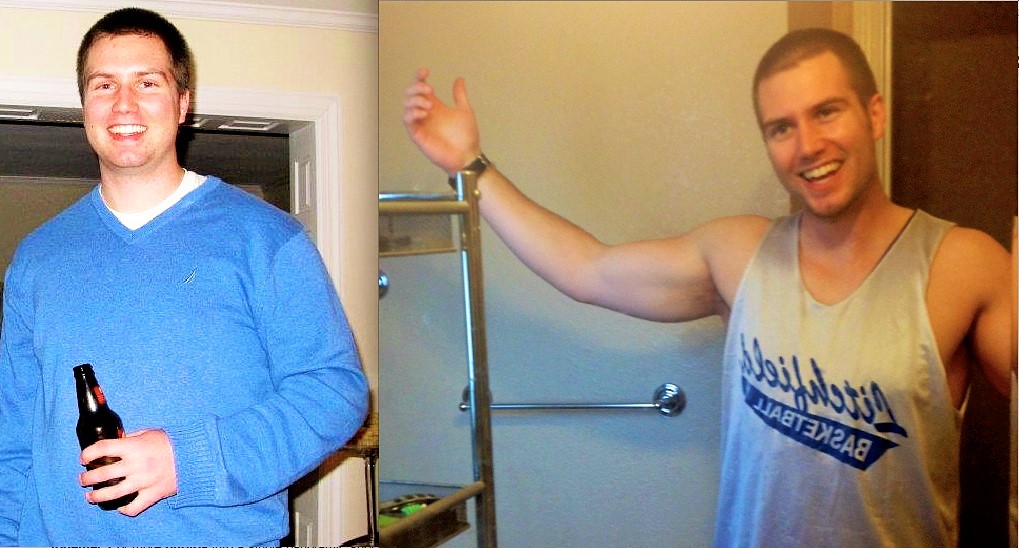
{Logan’s transformation leading up to disclosure of his mental illness}

I recall browsing through Logan Noone’s Instagram last year, taking note of his scenic photos of the great outdoors and noticing the huge smile on his face pictured standing on snowy slopes or sitting among friends at sporting events.  His profile stated he was a mental health advocate, and other than that, my assumptions of him were based on his seemingly happy and active lifestyle.  Fast forward to a few weeks ago when I received a thoughtfully edited email from Logan informing me of his status as a non-traditional pre-medical student in pursuit of a career in medicine, particularly Psychiatry.  What stood out and impressed me the most about Logan was his tenacity — little did I know that behind his picturesque Instagram posts was a man who battled and has since gained control of his bipolar disorder.  After watching his viral YouTube video about recovering from bipolar disorder, I knew that he’d make a valuable asset to the medical community to advocate for change and reduce stigma, especially since the culture of the medical field tends to discourage such disclosures of having mental illness.  Therefore, I’m excited to have Logan contribute to my blog as he discusses his motivation to become a physician and how the school shooting at Sandy Hook influenced his decision to go public with his diagnosis.

__________________________________________

“There is an old story about a blind man heading towards a well, and there’s a guy who’s watching. If the blind man falls into the well, who gets the blame? If you’re watching something you can prevent, you’ve got to do something.”

              – Manoj Bhargava

It’s February of 2013, about two months after the devastating shooting at Sandy Hook Elementary School in Newtown, Connecticut.  The total fatalities are still hard to swallow: 20 children, 6 staff members, and the mother of the shooter were found dead on December 14, 2012.  The entire world was shaken and struggling to find a reason for this senseless tragedy.  The storyline seemed all too familiar: a person suffering from mental illness committed horrific gun violence.

Now, let’s rewind the clock about 8 months.  I was 22 years old and newly graduated from college.  While the rest of my classmates were celebrating after graduating or starting up a new job, I found myself in the emergency psychiatric ward.  Two years of severe mood swings, alcohol abuse, insomnia, anxiety, and a breakup culminated in my first manic episode.  I found myself overwhelmed with euphoric feelings, rapid speech and grandiose thoughts.  This feeling continued to evolve over the course of 5 days with no sleep, paranoia, and auditory hallucinations.

I displayed the basic symptoms of bipolar disorder.  Also, considering my family’s history of the disorder, it was pretty easy for my psychiatrist to diagnose me with Bipolar Disorder Type 1.  The medical staff outlined how I would have to live my life with the support of medication, therapy, and support systems.  However, the medical staff also indicated I needed to be cautious whom I disclose my bipolar disorder to.  “People’s opinions could change when they find out you have bipolar disorder. It could hurt your employment, housing, or social life.”

Fast forward back to February 2013.  I hardly told anyone about my mental illness, I was insecure and utterly hopeless.  Images of the Sandy Hook shooting were everywhere.  It seemed like the public stigma towards mental illness literally could not get any more intense.

To understand my struggle, consider that I grew up about 40 minutes north of Sandy Hook elementary.  My mom is an elementary art teacher, and my father served on the public school board in our town for nearly a decade.  I knew I could never commit a crime like Sandy Hook.  But, because of this tragedy and other similar shootings, the public perceived my mental illness as a threat.

People with mental illness can recover, and they are more often victims of violence rather than the perpetrators.  If I continued to remain silent about my mental illness, there was no way I could expect the stigma surrounding mental illness to change.  I knew that I had to help repaint society’s poorly painted picture of mental illness and lead by example.

Living openly with my mental illness would require bravery, or so I thought.  During February of 2013, I finally joined a mental illness speaker’s bureau and shared my Bipolar Disorder Recovery Video online. I quickly realized my expectations for being publicly open about my mental illness were different from reality.  Saying that I received an overwhelming amount of positive support would be an understatement.  Within two weeks, the video had over 15,000 views.  The video was shared by many of my friends, reposted on numerous mental health websites, and featured on Fox News.  I connected with old friends and even new people from all over the world.

I was pleasantly surprised by the amount of support I had received from my disclosure.  Perhaps people are more accepting of mental illness than I expected.  I originally thought being open about my mental illness would require a courageous effort.  I was wrong.

Being open about my bipolar disorder is simply a logical and honest choice.  1 in 4 adults suffer from some type of mental illness.  It’s only logical that our society start to recognize and accept that we all will be personally impacted by mental illness in our own life or through someone we love.  The mere statistics prove that there is an incredible amount of people just like you in the world.

I’d be lying if I said living openly with my mental illness was all “smooth sailing.”  Of course, I’ve met people that aren’t supportive of mental illness or its treatment.  Numerous times, I’ve had people tell me mental illness isn’t real, or my medication will simply turn me into a zombie.  I’ve even been congratulated that I am not violent because of my bipolar disorder.  Um, thanks…

But I don’t let these negative incidents regret my decision.  When I first encountered these opinions, I was furious and insulted.  But now, 3 years after my disclosure, I’ve grown wiser in my demeanor.  It would be naïve of me to think that a social change could occur without a few bumps in the road.  Now, rather than be upset by ignorance, I get motivated by it, and do my best to change opinions through a healthy and respectful dialogue.

My openness has changed what I want out of my career.  I found that simply acknowledging my mental illness allowed others to feel comfortable talking to me about their mental health challenges.  There is no better reward than knowing that you helped someone also fight mental health stigma, pursue professional help, or better yet, stop them from hurting themselves.

Shortly after disclosing my mental illness, I decided I wanted to work in the mental health industry in some capacity.  I felt I could make the biggest contributions to mental health if I help improve the scientific understanding of our brains and mental illness.  Frustrated by my own personal experiences with psychiatrists, I want to be a psychiatrist that could connect with their patients in a more natural manner and help inspire them to tackle stigma head on as well.  With that in mind, I am currently preparing to apply to medical school in 2016.

Being open about my mental illness helped me find my own inspiration, passion, and drive.  I couldn’t simply be a bystander to a problem I knew I could help fix.  That’s my style.

For more info on Logan Noone, check out his YouTube Videos below.  You can also find him on Instagram.

Bipolar Disorder Recovery Video: https://www.youtube.com/watch?v=bvdrFowzG94
Sacramento NAMI Walk Speech 2013: https://www.youtube.com/watch?v=KRKQSyPYIEE
November 17, 2015 5 comments
0 Facebook Twitter Google + Pinterest
Featured Guest Blogger

How a Nurse Practitioner Living With Bipolar Disorder Takes Control In the Workplace

written by freudandfashion
How a Nurse Practitioner Living With Bipolar Disorder Takes Control In the Workplace

I first came across Ann Roselle, an acute care nurse practitioner, via Twitter after reading the extremely personal and brave post that she wrote for the online magazine, Ravishly, which poignantly highlights the humiliation she experienced during one of her numerous psychiatric hospitalizations.  Given the stigma that surrounds mental illness, many may feel ashamed to disclose their diagnoses (especially as a professional in the medical field).  However, Ann writes so openly about living with postpartum onset bipolar disorder as a guest contributor on several websites and in her blog, Bipolar&Me.  She dispels the misconception that people diagnosed with bipolar disorder can’t live fulfilling lives, have a successful career, balance numerous roles and responsibilities (wife, mom of 3 boys, mental health advocate, blogger, to name a few), AND cope with the fluctuations in mood characteristic of bipolar disorder.  I am a huge fan of Ann’s writing and am honored to have her contribute to my blog as she discusses her commitment to maintaining stability in her personal and professional life.

——————————————————–

“It’s stylish to talk about mental health, especially how we maintain our own.”  As a nurse practitioner who lives with a serious mental illness, bipolar I disorder to be exact, how could I not fall in love with a blog with a psychiatrist who talks so frankly about mental health and her practice?

I am a surgical nurse practitioner, specializing in cardiac surgery.  I am fortunate enough to be able to be open about my disorder in the workplace.  I had fears initially about being open, however with time I believe it has proven to be a positive experience.  In my case, living with bipolar disorder never proved troublesome with my training as I was diagnosed after I had been in active practice for six years.  So, the questions that beg to be asked are — How does my illness impact my patients or influence my interactions with them?  And how do I maintain stability with full-time employment in a stressful environment?

First, it starts with the moment you accept that you have an illness.  That you have an illness you are going to need to learn to manage as one manages any chronic illness.  And, I won’t lie — accepting the diagnosis is hard.  I didn’t want to accept my diagnosis for a long time.  I cried and mourned the vision of the life that I thought I was going to have, that I was supposed to have, thinking everything changed in the moment I received my diagnosis.  It took a long time for me to realize nothing had actually changed and that the life I wanted and envisioned was still there waiting for me to seize it.

Part of my seizing the day, so to speak, was to commit myself to doing what I needed to do and stop fighting with my treatment team.  Stop fighting the need for medication.  To stop being the non-compliant patient I would roll my very eyes about as a practitioner.  I showed up for appointments, attended groups faithfully in the early days, and took my medications.  I played with my diet trying to find a proper nutritional balance.  I quit drinking on a regular basis.  I became fanatical about ensuring proper sleep hygiene and getting rest.  I fully admit that I am not great about the exercise piece as my work hours limit my ability to get to a gym on workdays and I am so busy with my family on days off.  I’ll get there, though.  Exercise helps mood and I feel infinitely better on the days I’m physically active.

Now, what about nursing practice you ask?  What about those patients?  Ultimately, if you are in treatment (on meds, working with a therapist, a prescriber, or even have a support group to fall back on) and stable, the disorder has no bearing on your practice.  None.  I hold the view my bipolar disorder is a chronic manageable condition no different than diabetes or hypertension.  I learned (and am still learning) to manage my moods in the same vein that a diabetic learns to count carbohydrates and manage their blood sugar.

Emotionally, I have always had the ability to hold myself together for the hours I am at work and dealing with patients.  My patients will never know I carry this diagnosis.  I may fall apart once I get home and feel safe to do so, but never within the walls of my employment.  I also make it a rule that no matter what happens, no matter the co-morbid psychiatric diagnosis my cardiac patients may carry, I never reveal myself to them.  They come for cardiac care and not to hear my story.  I do find I have become more empathetic to those who carry psychiatric diagnoses.  I discourage staff from saying inappropriate and stigmatizing things both in and out of earshot of patients.  There is a huge difference in a patient who is emotionally labile because of a mood disorder and a patient who is emotionally labile trying to cope with their physical illness.  I view it as my responsibility to help staff understand such a critical difference.  Emotional lability in and of itself does not a bipolar make.  I make sure my patients’ home medication regimens are adhered to as closely as possible. And when a patient is acutely decompensating in terms of their mood or mental status, I make sure that medically we have dotted our I’s and crossed our T’s before calling the psychiatry consult service.

I’m not perfect.  I have days I need to take a time out and walk away.  This is beyond the usual code blue that may have been upsetting for staff or seeing a patient I really cared about suffer from a devastating complication.  I have colleagues who respect that need and allow me the moments I need to compose myself and come back calm and ready to do my job.

I am fortunate to do what I do.  And I am fortunate to be able to practice with both the patient and provider perspective.

While I am only human, at the end of the day, I think all those I encounter are better for it.


For more of Ann Roselle’s writings, check out her blog, Bipolar&Me.  You can also find her on Twitter and Facebook.


October 27, 2015 7 comments
1 Facebook Twitter Google + Pinterest
Featured Guest Blogger

Why A Social Worker Turned His Passion for Bicycling Into a Mission

written by freudandfashion
Why A Social Worker Turned His Passion for Bicycling Into a Mission

One of the best things about blogging is the opportunity to meet like-minded, motivated people in the mental health field who are passionate about making a greater impact in the community.  When I first came across Bike and Brain on Facebook, I was impressed by Matt Ryan, LMSW (the founder of Bike and Brain) and his selfless goal to successfully blend his career as a social worker and love for bicycling into a mission that promotes bike riding’s benefits on mental health.  What started as a blog one year ago has evolved into an active operation that organizes group rides, provides free bicycles to New York City residents, and is expanding its efforts by becoming a nonprofit organization (continue reading to learn how you can support his cause and enter to receive a free bicycle below).  Therefore, I am excited to feature Matt as my first guest blogger as he discusses bicycling and its positive impact on mental health.

———————————————-

Life can quickly become chaotic.  We deal with stress from work, relationships, children, and health, to name a few. Too much stress can cause us to feel out-of-control, which can be extremely uncomfortable.  In fact, excess stress can be detrimental.  As life stressors build, we may experience anxiety and even depression.  We may feel like giving up when life appears too much to handle.  We may begin to neglect our priorities.  Unfortunately, giving in to this feeling only exacerbates the situation.  So how do we regain our sense of control?

Whether you’re in control of your own company or the TV clicker, control can be a great feeling.  People exert a great deal of effort in life to gain control.  You can certainly argue that having too much control may be problematic, but possessing a certain level of control is crucial in order to lead a fulfilling life.  It’s important to be in control of your emotions, diet, exercise regimen, sleep patterns, relationships, etc.  Furthermore, it’s key to be aware of your role in all of these facets of life.  There are obviously things that we can’t control such as when we are mistreated by a friend, loved one, or a rowdy neighbor who keeps us up all night.  However, we can control how we respond or how we choose to handle these situations.  Learning to control yourself within the important facets of your life can help build confidence, which in turn can make life more enjoyable.

I am a social worker in NYC and it’s safe to say things can feel pretty out-of-control.  One of the things I do to stay grounded, motivated, and focused is ride my bicycle.  I ride daily and can truly say it plays a crucial role in my life. Bicycling gives me a feeling of control and confidence that transcends into the other compartments of my life.  You may be asking how this could be possible — how can riding your bike help any other area of your life?

First off, riding the bicycle provides me with a tangible feeling of control.  I determine how fast the bike travels, where it goes, what gear it’s in, and when it stops.  The ability to manipulate the bicycle is a reminder that I do have the ability to control things.  Merely having the knowledge that I can be in control is beneficial to my daily life.  If all else fails, I can utilize my experiences on the bike as a reference point.

Second, riding the bike forces me to direct all of my attention on one thing, which is the road.  I am in the moment while on the bike.  There is no time to dwell on the stresses of life since distractions could potentially cause an accident.  All five of my senses are engaged and my mind is focused.  I can feel the wind in my face, the pedals on my feet, and the bars in my hands.  Being completely focused on the moment is an extremely powerful tool also known as mindfulness.  Essentially, I am putting aside my stress for the duration of the bike ride.  This does not eliminate the stresses I may be experiencing.  Rather, it is creating free space in my mind so that I may deal with the stress in a more constructive way once I am off the bike.

Finally, cycling makes me happy.  Not only does the physical activity release endorphins, but it is the one hobby that provides me complete joy.  When everything else may feel out of control, I know that I can hop on my bike to re-charge.  In essence, my bicycle acts as my safety net.  Cycling will always reinstate a level of confidence and control that is needed to regain my motivation.

And for the record……

I am in the process of creating a nonprofit organization in NYC.  We work to provide functional bicycles to people who may not have any other means to obtain one.  We believe that there is no reason why we can’t provide people with a FREE bicycle in a city as wealthy as NYC.  We have donated a handful of bicycles to date.  Each donation has an amazing story attached (Check them out here!).

We will also be giving away a free bicycle (pictured below) on Thanksgiving.  Anyone can win this and we will ship it anywhere in the USA.  Completely free.  All you have to do is like our page on Facebook to enter.


For more information on Bike and Brain, check out their website here.

Photos courtesy of Matt Ryan

October 13, 2015 7 comments
0 Facebook Twitter Google + Pinterest

Author

Author

THE WRITINGS OF A MODERN PSYCHIATRIST

Let’s Stay In Touch!

Burnout webinars & more info coming soon!

Twitter

Tweets by FreudandFashion

Archives

Search freudandfashion.com

Let’s Stay In Touch

Burnout webinars & more info coming soon!

  • Facebook
  • Twitter
  • Instagram
  • Pinterest
  • Linkedin

freudandfashion.com All Rights Reserved. 2021


Back To Top