
Freud & Fashion
  • Home
  • About Me
    • Education
  • Contact
  • Media/Press
  • Disclaimer
  • Speaking Engagements
  • Home
  • About Me
    • Education
  • Contact
  • Media/Press
  • Disclaimer
  • Speaking Engagements

Freud & Fashion

...BECAUSE IT'S STYLISH TO TALK ABOUT MENTAL HEALTH, ESPECIALLY HOW WE MAINTAIN OUR OWN.

Author

freudandfashion

freudandfashion

I'm a newly graduated psychiatrist who believes it's stylish to talk about mental health. Welcome to my diary, Freud & Fashion, created in 2010 to document my life as a psychiatrist-in-training and share knowledge and psychotherapy pearls that I learned along the way.

Featured Guest Blogger

Why A Pre-Med Student With Bipolar Disorder Posted on YouTube Against Medical Advice

written by freudandfashion
Why A Pre-Med Student With Bipolar Disorder Posted on YouTube Against Medical Advice


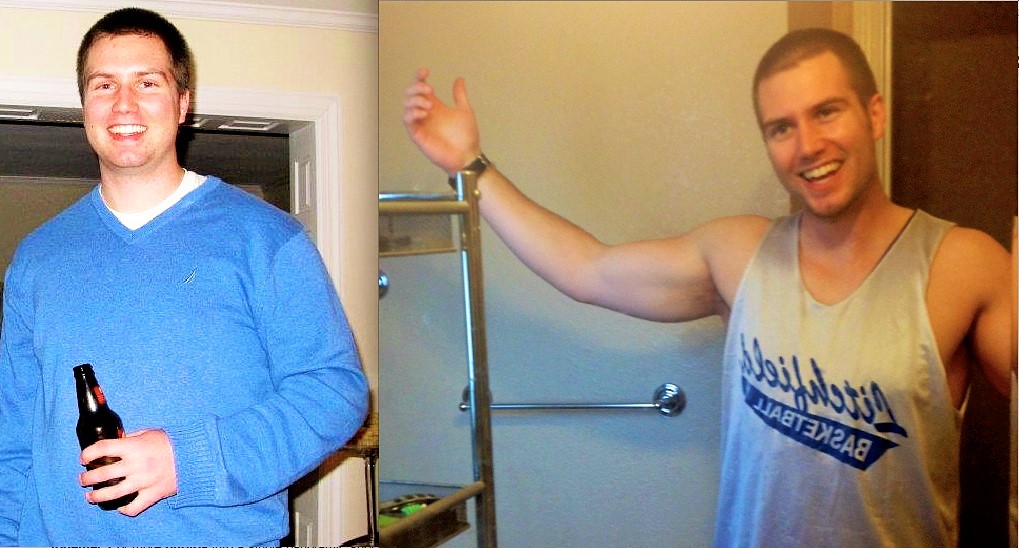
{Logan’s transformation leading up to disclosure of his mental illness}

I recall browsing through Logan Noone’s Instagram last year, taking note of his scenic photos of the great outdoors and noticing the huge smile on his face pictured standing on snowy slopes or sitting among friends at sporting events.  His profile stated he was a mental health advocate, and other than that, my assumptions of him were based on his seemingly happy and active lifestyle.  Fast forward to a few weeks ago when I received a thoughtfully edited email from Logan informing me of his status as a non-traditional pre-medical student in pursuit of a career in medicine, particularly Psychiatry.  What stood out and impressed me the most about Logan was his tenacity — little did I know that behind his picturesque Instagram posts was a man who battled and has since gained control of his bipolar disorder.  After watching his viral YouTube video about recovering from bipolar disorder, I knew that he’d make a valuable asset to the medical community to advocate for change and reduce stigma, especially since the culture of the medical field tends to discourage such disclosures of having mental illness.  Therefore, I’m excited to have Logan contribute to my blog as he discusses his motivation to become a physician and how the school shooting at Sandy Hook influenced his decision to go public with his diagnosis.

__________________________________________

“There is an old story about a blind man heading towards a well, and there’s a guy who’s watching. If the blind man falls into the well, who gets the blame? If you’re watching something you can prevent, you’ve got to do something.”

              – Manoj Bhargava

It’s February of 2013, about two months after the devastating shooting at Sandy Hook Elementary School in Newtown, Connecticut.  The total fatalities are still hard to swallow: 20 children, 6 staff members, and the mother of the shooter were found dead on December 14, 2012.  The entire world was shaken and struggling to find a reason for this senseless tragedy.  The storyline seemed all too familiar: a person suffering from mental illness committed horrific gun violence.

Now, let’s rewind the clock about 8 months.  I was 22 years old and newly graduated from college.  While the rest of my classmates were celebrating after graduating or starting up a new job, I found myself in the emergency psychiatric ward.  Two years of severe mood swings, alcohol abuse, insomnia, anxiety, and a breakup culminated in my first manic episode.  I found myself overwhelmed with euphoric feelings, rapid speech and grandiose thoughts.  This feeling continued to evolve over the course of 5 days with no sleep, paranoia, and auditory hallucinations.

I displayed the basic symptoms of bipolar disorder.  Also, considering my family’s history of the disorder, it was pretty easy for my psychiatrist to diagnose me with Bipolar Disorder Type 1.  The medical staff outlined how I would have to live my life with the support of medication, therapy, and support systems.  However, the medical staff also indicated I needed to be cautious whom I disclose my bipolar disorder to.  “People’s opinions could change when they find out you have bipolar disorder. It could hurt your employment, housing, or social life.”

Fast forward back to February 2013.  I hardly told anyone about my mental illness, I was insecure and utterly hopeless.  Images of the Sandy Hook shooting were everywhere.  It seemed like the public stigma towards mental illness literally could not get any more intense.

To understand my struggle, consider that I grew up about 40 minutes north of Sandy Hook elementary.  My mom is an elementary art teacher, and my father served on the public school board in our town for nearly a decade.  I knew I could never commit a crime like Sandy Hook.  But, because of this tragedy and other similar shootings, the public perceived my mental illness as a threat.

People with mental illness can recover, and they are more often victims of violence rather than the perpetrators.  If I continued to remain silent about my mental illness, there was no way I could expect the stigma surrounding mental illness to change.  I knew that I had to help repaint society’s poorly painted picture of mental illness and lead by example.

Living openly with my mental illness would require bravery, or so I thought.  During February of 2013, I finally joined a mental illness speaker’s bureau and shared my Bipolar Disorder Recovery Video online. I quickly realized my expectations for being publicly open about my mental illness were different from reality.  Saying that I received an overwhelming amount of positive support would be an understatement.  Within two weeks, the video had over 15,000 views.  The video was shared by many of my friends, reposted on numerous mental health websites, and featured on Fox News.  I connected with old friends and even new people from all over the world.

I was pleasantly surprised by the amount of support I had received from my disclosure.  Perhaps people are more accepting of mental illness than I expected.  I originally thought being open about my mental illness would require a courageous effort.  I was wrong.

Being open about my bipolar disorder is simply a logical and honest choice.  1 in 4 adults suffer from some type of mental illness.  It’s only logical that our society start to recognize and accept that we all will be personally impacted by mental illness in our own life or through someone we love.  The mere statistics prove that there is an incredible amount of people just like you in the world.

I’d be lying if I said living openly with my mental illness was all “smooth sailing.”  Of course, I’ve met people that aren’t supportive of mental illness or its treatment.  Numerous times, I’ve had people tell me mental illness isn’t real, or my medication will simply turn me into a zombie.  I’ve even been congratulated that I am not violent because of my bipolar disorder.  Um, thanks…

But I don’t let these negative incidents regret my decision.  When I first encountered these opinions, I was furious and insulted.  But now, 3 years after my disclosure, I’ve grown wiser in my demeanor.  It would be naïve of me to think that a social change could occur without a few bumps in the road.  Now, rather than be upset by ignorance, I get motivated by it, and do my best to change opinions through a healthy and respectful dialogue.

My openness has changed what I want out of my career.  I found that simply acknowledging my mental illness allowed others to feel comfortable talking to me about their mental health challenges.  There is no better reward than knowing that you helped someone also fight mental health stigma, pursue professional help, or better yet, stop them from hurting themselves.

Shortly after disclosing my mental illness, I decided I wanted to work in the mental health industry in some capacity.  I felt I could make the biggest contributions to mental health if I help improve the scientific understanding of our brains and mental illness.  Frustrated by my own personal experiences with psychiatrists, I want to be a psychiatrist that could connect with their patients in a more natural manner and help inspire them to tackle stigma head on as well.  With that in mind, I am currently preparing to apply to medical school in 2016.

Being open about my mental illness helped me find my own inspiration, passion, and drive.  I couldn’t simply be a bystander to a problem I knew I could help fix.  That’s my style.

For more info on Logan Noone, check out his YouTube Videos below.  You can also find him on Instagram.

Bipolar Disorder Recovery Video: https://www.youtube.com/watch?v=bvdrFowzG94
Sacramento NAMI Walk Speech 2013: https://www.youtube.com/watch?v=KRKQSyPYIEE
November 17, 2015 5 comments
0 Facebook Twitter Google + Pinterest
Psychiatrytherapy

Tips To Control Your Angry Mood

written by freudandfashion
Tips To Control Your Angry Mood

{Monterey, California}

Up until I graduated medical school, I used to be irritable and impatient on a regular basis.  Not many people would think I had anger issues (particularly due to the way my anger manifested, which was mostly unassertive and passive, see below) except for those who received the brunt of it, which is often the case for most people.  I also used to feel guilt and shame for having an angry temperament as a child, until I opened up about the issue during individual and group psychotherapy.  It was quite therapeutic to hear that several group members (whom I least expected given their present demeanor) reported being angry during childhood as well, and even more helpful to gain the insight needed to identify triggers for my anger, in addition to more productive ways to express and cope with it.

We’ve all experienced anger before, and there’s various ways it can present itself.  The spectrum of anger can manifest as brief, subtle annoyance to full-fledged rage.  Though anger can be constructive (ie, used as motivation to create change or solve a problem), the more problematic expressions of anger are more outward via yelling, physical aggression (punching and throwing things, etc), or violence.  Others may also express anger in an unassertive way (which can also be quite volatile) by isolating, holding it in, and not expressing the anger at all which often leads to more passive-aggressive and pathological forms of coping such as taking it out on others via hurtful comments, putting people down, being vengeful by indirectly trying to get back at people without communicating the reason why, etc.

Developing healthier ways to express anger has many benefits, which include health (anger is known to be associated with increased risk of having a heart attack, hypertension, diabetes, migraines, self-medicating with substances such as alcohol, etc), improved communication in relationships, and a gained sense of control over your emotions.  Though the origin and persistence of your anger can be quite complex to fully understand (I tend to formulate my patients’ issues psychoanalytically, which can be theoretically confusing to many (including myself) except Sigmund Freud, who first laid out the theory), the following are some concrete strategies that can help keep your anger in check, which I also teach my patients and use on myself:

1. When your anger gets triggered, slow your response rather than reacting on impulse.

When anger gets triggered, our brain perceives the situation as a threat and automatically reacts by going into fight or flight mode and the response is believed to last less than 2 seconds.  Therefore, since we can go into a rage from 0 to 100 instantly, we can take control of our behavioral response by using tactics that allow us to regroup and think through how to respond.  Some tactics include the following: take a couple of deep breaths, count to 10, step away and excuse yourself briefly, grab a drink of water, etc.

Another similar example/situation — Have you ever received an email or text message that was so upsetting that you immediately started aggressively typing a hostile reply?  I’ve reacted this way many times (and have also typed blogpost drafts out of anger), yet the rule of thumb is do not send content that is typed in a heated, angry state of mind, but rather to wait and respond when you’ve cooled down because you might send something you’ll regret (and an email/text message is a permanent record that you can’t take back).

2. Recognize your initial signs of anger.

I often ask my patients to identify the initial signs they experience when anger gets triggered because being mindful can put a stop to the progression to an outburst or response they might regret.  Utilizing Tip #1 above is even more useful if we can quickly recognize our body’s initial response to anger.

To give an example, the following is my usual pattern of response that occurs when my anger gets triggered: eyes get wide, chest tightens, heart races, facial muscles tense, fists tighten.

I’ve practiced this technique numerous times and have become far more mindful and self-aware in the last few years (therapy and yoga helped) to the extent that once I notice my chest tighten and heart race, I quickly take deep breaths to calm down.  So next time you get angered, pay attention to how your body responds.

3. Once you’re in a calm state of mind, express your anger.

When people hold in and suppress their anger, it often becomes internalized (and may experience depression by directing the anger inward) or builds up to the point that it leads to an eventual huge, uncontrollable outburst.  I used to cope this way with anger as well where I’d yell and scream hurtful things and bring up anything and everything that upset me in the last few months.  Once you’ve calmed down in the moment, try to assert and state your concerns in a clear, direct way rather than waiting until you’ve reached your boiling point.

I admit that I used to also react by either saying nothing or passively turning to someone next to me and saying mean, hurtful things that were loud enough for the person who upset me to hear (yes, I know this response is sooo high school circa Rachel McAdams in Mean Girls), so I felt awkward at first when practicing to be more direct at communicating my anger.  However, just like with anything in life, you have to keep practicing and eventually you’ll learn to successfully express yourself and get your point across in order to feel understood and heard.

4. Identify the underlying cause of your anger in the moment, and if the issue is minutiae, let it go.

Numerous things can trigger anger (a negative comment, criticism, lack of sleep, not getting your coffee fix, drugs, depression, medications, anxiety, stress, grief, kids not doing their chores, your sports team losing, bad luck with fantasy football picks, a friend wearing the same outfit as you, a pimple, tardiness, misinterpretation of a text message, someone lying to you, PMS, delayed flight, someone cut you off on the freeway, etc, etc — I think you get the point).  If the trigger is something small and trivial (ie, getting cut off in traffic), recognize that reacting in anger won’t solve the issue (that’s right — stepping on the gas and tail-gaiting the SOB will not make the situation any better…I only know this through experience) and expends so much energy that can be more productively utilized elsewhere.  However, if the underlying cause might be a major issue you’ve struggled with throughout your life (for example, having social phobia and being extremely sensitive to judgment and criticism) then please refer to #6 below.

5.  Diffuse your anger by getting some exercise or channeling that energy into a workout.

This point is pretty straightforward — anger triggers increased stress and exercise is always a good way to lower stress and expel the anger from your system.

6. Seek professional help.

If your anger is causing substantial impairment in your life (work, relationships, etc), then don’t be afraid to seek help from a professional (psychotherapist, your regular medical doctor, psychiatrist, anger management, etc).  I mention numerous times in my blog how much psychotherapy has helped me personally and those I’m closest to can vouch for the noticeable improvement in the way I manage stress and anger.


November 13, 2015 13 comments
0 Facebook Twitter Google + Pinterest
Medicine

5 Things I Would Tell My Pre-Med Self

written by freudandfashion
5 Things I Would Tell My Pre-Med Self

Whenever I receive emails and comments from pre-medical students, I reminisce of my ambitious years in college.  The most common questions I receive pertain to advice on how to become a standout applicant in order to get accepted into medical school.  I’ve mentioned this before in a previous post — I did not perceive myself as a standout applicant (my combined GPA and MCAT scores were below average compared to other applicants).  When I started receiving emails from students, I initially felt unqualified to provide advice due to my grades and test scores.  Then, I later realized that I can be a motivating source for the nontraditional applicant and those who may not be the most gifted and top ranked in their class.  Therefore, I thought I’d do a spin on the email questions I receive by providing advice that I would tell my pre-med self.  I obviously wouldn’t change any decisions that I’ve made because each step has led me to the place of satisfaction that I experience in my career today.  Yet, being a practicing physician for the last three years, the following are a few things that could have provided a sense of reassurance during my pursuit of a career in medicine.

1.  Even if you perform horribly on the Medical College Admission Test (MCAT), don’t give up.

I don’t think there’s any one formula for getting into medical school, but in general, having a competitive GPA and top MCAT scores obviously increases your chances.  Unfortunately, I didn’t fall into the category of being among the more competitive applicants, but I applied anyway.  I will say that in my experience, I took the MCAT twice and my second exam scores were not that much better than my first, but I still applied in hopes that my personal statement, experiences, and extracurricular activities may compensate a bit.  I was honestly surprised to receive several interviews across the country (MD and DO schools).  During interviews, I was asked the reason why I took the test twice, and was honest in my response regarding the circumstances that contributed to my low test scores.  Ultimately, I was accepted into two osteopathic medical schools.

2.  Don’t listen to those who discourage going to an Osteopathic Medical School.

While applying for medical school, I thoroughly researched the differences between being an MD (Doctor of Medicine) and a DO (Doctor of Osteopathic Medicine).  Initially, I was only going to apply to MD schools because I was discouraged by fellow pre-med students and forums were terribly biased towards MD schools.  I decided to apply to both because I liked the osteopathic philosophy and felt that ultimately my main goal was to become a physician and didn’t care whether that meant having “MD” or “DO” at the end of my name.  Essentially I went the full osteopathic route by attending an osteopathic medical school (Western University of Health Sciences College of Osteopathic Medicine of the Pacific), osteopathic internship (Post-Graduate Year 1), and osteopathic psychiatry residency program (Samaritan Mental Health).  Due to the information found in forums, I worried a bit about coming off as inferior by becoming a DO instead of an MD, but I turned out just fine, am a proud DO, and feel well-respected by my peers and the medical community.  For more info regarding the differences between the MD and DO degree, check out my post here.

3. It’s more about the quality than quantity when it comes to extracurricular and medical-related experiences that you participate in as a pre-med.

If I could say I excelled at one thing as a pre-med student, it was participation in extracurricular activities.  I think I knew in the back of my mind that my grades and test scores alone wouldn’t get me into medical school (plus, I wasn’t 100% sure that I wanted to be a doctor until my junior year in college when applications were due.  See #4 below), so I focused my energy on ways to strengthen my application and decide whether or not becoming a physician was the career for me.  If I could go back in time, I would’ve participated in less activities in order to prioritize more time to relax and study.  Because I’m someone who enjoys staying active and involved — in addition to my full-time course-load, I also volunteered in several hospital departments, worked as a lab assistant, volunteered at a homeless shelter, mentored youth in the community, worked as a researcher for more than two years, was an active member in several clubs and a sorority, worked part-time at a bookstore, among other things. When it came time to apply, I listed all of my activities in my medical school application, but mainly focused on two of the most meaningful activities in my personal statement.  During interviews, I was also asked to discuss the one medical-related experience that demonstrated my commitment to a career in medicine.

4. You may be pre-med because your traditional family expects you to become a doctor, but if you change your mind and pursue a different career path, they’ll understand.

I’m sure several students can identify with the pressures to become the shining, admired physician that our high-achieving families expect us to be.  My family, especially my grandfather (who was my role model), pretty much implanted in my mind as a child that I was meant to become a physician.  In the Philippines, physicians are held with such high regard and status.  As the oldest of >30 grandchildren, my grandfather invested a lot of time and energy on educating me at an early age (I started reading when I was 5 years old, taught to write in cursive when I was 7 years old, and had daily home study sessions with him after school, etc), so I didn’t want to disappoint him once the time came to choose my career path in college.  I truly wanted to be a broadcast journalist, but decided to apply for medical school after my grandfather passed away from cancer during my junior year.  After I performed poorly on several exams during my first year of medical school, I blamed my family and parents for forcing me to go into medicine.  I feared telling them that I wanted to quit, but when I failed a practical exam, I couldn’t hold it in any longer.  Their response shocked me when they told me that all they want is for me to be happy and that they’re proud of me no matter which field I chose.  All these years, I was afraid to tell my parents and never gave them a chance to show how understanding they truly can be.

5. Don’t feel guilty about taking time off after college before attending medical school.

If you were to go straight into medical school after college, you would have a total of at least 24 years of straight education before you graduate residency and become a practicing physician (kindergarten through 12th grade + 4 years undergraduate education + 4 years medical school + at least 3 years of residency).  After I graduated from residency, I felt like a fish out of water because my comfort zone and all I’ve known my entire life was to be a student.  Personal development is delayed during medical school (since education consumes so much time and becomes top priority), so taking time off for a few years in the grand scheme of things will not hinder you in any way.  I initially felt guilty for taking one year off after college because I thought that taking time off rather than going straight into medical school demonstrated a lack of determination.  Looking back, I don’t regret it one bit.  Oftentimes, our education and future careers become our identity, which ultimately results in less time spent engaging in enjoyable activities and connecting with those who make us happy.  With the grueling years of medical training ahead, try to prioritize time for yourself to grow as a well-rounded individual rather than devoting 100% of the time solely towards your career.


Photo by Marlon Santos

November 6, 2015 19 comments
0 Facebook Twitter Google + Pinterest
Featured Guest Blogger

How a Nurse Practitioner Living With Bipolar Disorder Takes Control In the Workplace

written by freudandfashion
How a Nurse Practitioner Living With Bipolar Disorder Takes Control In the Workplace

I first came across Ann Roselle, an acute care nurse practitioner, via Twitter after reading the extremely personal and brave post that she wrote for the online magazine, Ravishly, which poignantly highlights the humiliation she experienced during one of her numerous psychiatric hospitalizations.  Given the stigma that surrounds mental illness, many may feel ashamed to disclose their diagnoses (especially as a professional in the medical field).  However, Ann writes so openly about living with postpartum onset bipolar disorder as a guest contributor on several websites and in her blog, Bipolar&Me.  She dispels the misconception that people diagnosed with bipolar disorder can’t live fulfilling lives, have a successful career, balance numerous roles and responsibilities (wife, mom of 3 boys, mental health advocate, blogger, to name a few), AND cope with the fluctuations in mood characteristic of bipolar disorder.  I am a huge fan of Ann’s writing and am honored to have her contribute to my blog as she discusses her commitment to maintaining stability in her personal and professional life.

——————————————————–

“It’s stylish to talk about mental health, especially how we maintain our own.”  As a nurse practitioner who lives with a serious mental illness, bipolar I disorder to be exact, how could I not fall in love with a blog with a psychiatrist who talks so frankly about mental health and her practice?

I am a surgical nurse practitioner, specializing in cardiac surgery.  I am fortunate enough to be able to be open about my disorder in the workplace.  I had fears initially about being open, however with time I believe it has proven to be a positive experience.  In my case, living with bipolar disorder never proved troublesome with my training as I was diagnosed after I had been in active practice for six years.  So, the questions that beg to be asked are — How does my illness impact my patients or influence my interactions with them?  And how do I maintain stability with full-time employment in a stressful environment?

First, it starts with the moment you accept that you have an illness.  That you have an illness you are going to need to learn to manage as one manages any chronic illness.  And, I won’t lie — accepting the diagnosis is hard.  I didn’t want to accept my diagnosis for a long time.  I cried and mourned the vision of the life that I thought I was going to have, that I was supposed to have, thinking everything changed in the moment I received my diagnosis.  It took a long time for me to realize nothing had actually changed and that the life I wanted and envisioned was still there waiting for me to seize it.

Part of my seizing the day, so to speak, was to commit myself to doing what I needed to do and stop fighting with my treatment team.  Stop fighting the need for medication.  To stop being the non-compliant patient I would roll my very eyes about as a practitioner.  I showed up for appointments, attended groups faithfully in the early days, and took my medications.  I played with my diet trying to find a proper nutritional balance.  I quit drinking on a regular basis.  I became fanatical about ensuring proper sleep hygiene and getting rest.  I fully admit that I am not great about the exercise piece as my work hours limit my ability to get to a gym on workdays and I am so busy with my family on days off.  I’ll get there, though.  Exercise helps mood and I feel infinitely better on the days I’m physically active.

Now, what about nursing practice you ask?  What about those patients?  Ultimately, if you are in treatment (on meds, working with a therapist, a prescriber, or even have a support group to fall back on) and stable, the disorder has no bearing on your practice.  None.  I hold the view my bipolar disorder is a chronic manageable condition no different than diabetes or hypertension.  I learned (and am still learning) to manage my moods in the same vein that a diabetic learns to count carbohydrates and manage their blood sugar.

Emotionally, I have always had the ability to hold myself together for the hours I am at work and dealing with patients.  My patients will never know I carry this diagnosis.  I may fall apart once I get home and feel safe to do so, but never within the walls of my employment.  I also make it a rule that no matter what happens, no matter the co-morbid psychiatric diagnosis my cardiac patients may carry, I never reveal myself to them.  They come for cardiac care and not to hear my story.  I do find I have become more empathetic to those who carry psychiatric diagnoses.  I discourage staff from saying inappropriate and stigmatizing things both in and out of earshot of patients.  There is a huge difference in a patient who is emotionally labile because of a mood disorder and a patient who is emotionally labile trying to cope with their physical illness.  I view it as my responsibility to help staff understand such a critical difference.  Emotional lability in and of itself does not a bipolar make.  I make sure my patients’ home medication regimens are adhered to as closely as possible. And when a patient is acutely decompensating in terms of their mood or mental status, I make sure that medically we have dotted our I’s and crossed our T’s before calling the psychiatry consult service.

I’m not perfect.  I have days I need to take a time out and walk away.  This is beyond the usual code blue that may have been upsetting for staff or seeing a patient I really cared about suffer from a devastating complication.  I have colleagues who respect that need and allow me the moments I need to compose myself and come back calm and ready to do my job.

I am fortunate to do what I do.  And I am fortunate to be able to practice with both the patient and provider perspective.

While I am only human, at the end of the day, I think all those I encounter are better for it.


For more of Ann Roselle’s writings, check out her blog, Bipolar&Me.  You can also find her on Twitter and Facebook.


October 27, 2015 7 comments
1 Facebook Twitter Google + Pinterest
MedicinePsychiatry

Reach Out And Connect With Someone

written by freudandfashion
Reach Out And Connect With Someone

{Rancho Cucamonga, California}

I’m approaching a new phase in my life by moving on to a new practice, which will be my second job out of residency.  As excited and hurried as I was to leave my first job and move on to the next, with this being the last week in clinic, I’d have to say that I’m quite sad.  I’ve had several friends tell me that they don’t get along with their coworkers, that they haven’t developed friendships with anyone on staff, that they mostly are “in and out” of clinic to see their patients and get all the documentation done while minimally interacting with their peers.  How fortunate am I to have developed a sense of family and strong teamwork with those whom I work with?

I hear that one of the drawbacks of going into private practice is a sense of isolation not having a team of professionals to bounce ideas off of or interact with on a daily basis.  However, I do know that the practice I’m joining will provide valuable experience learning what it’s like to practice psychiatry in a different clinical setting.  And even cooler is that the actions and morale of the group I’m joining have given me enough confirmation to prove that I’ve made the best choice for myself and my career.

If you notice a theme in several of my posts, it’s the concept of “family” and teamwork.  I have several patients whose stress levels and depression gets triggered or exacerbated by a sense of loneliness and isolation due to lacking the friendship, camaraderie, sense of belonging, and the support we as humans need.  Numerous studies have found that social relationships provide emotional support and contribute to stress relief and better quality of life.  The following are some examples of how social support enhances mental and physical health:

  • Addiction
    • Recovery from substance use often leads to the dissolution of former friendships that were associated with an individual’s propensity to use drugs or alcohol.  Therefore, recovery-oriented support (such as 12-step programs) are critical early in treatment as someone begins to build and develop a healthier network of support.  Higher levels of social support are linked to decrease in substance use whereas lower levels of social support prospectively predicted relapse.
  • Post Traumatic Stress Disorder (PTSD)
    • for childhood sexual abuse survivors, a combination of self-esteem and appraisal support (an individual’s perception of being valued by others and that he or she is capable of getting advice when coping with difficulties) was useful in preventing the development of adult PTSD.
  • Cancer
    • Supportive group intervention for women with metastatic breast cancer has been associated with lower mood disturbances and less maladaptive ways of coping with terminal illness.
  •  Work Stress
    • Social support at work has been shown to have direct benefit on workers’ psychological well-being and productivity.

THOUGHT OF THE DAY:  Identifying and building your own support network can take quite some time and effort, but the enhancement on your quality of life will make it well worth it.  Which supports do you identify as being most integral in your day to day life?

October 22, 2015 21 comments
0 Facebook Twitter Google + Pinterest
Featured Guest Blogger

Why A Social Worker Turned His Passion for Bicycling Into a Mission

written by freudandfashion
Why A Social Worker Turned His Passion for Bicycling Into a Mission

One of the best things about blogging is the opportunity to meet like-minded, motivated people in the mental health field who are passionate about making a greater impact in the community.  When I first came across Bike and Brain on Facebook, I was impressed by Matt Ryan, LMSW (the founder of Bike and Brain) and his selfless goal to successfully blend his career as a social worker and love for bicycling into a mission that promotes bike riding’s benefits on mental health.  What started as a blog one year ago has evolved into an active operation that organizes group rides, provides free bicycles to New York City residents, and is expanding its efforts by becoming a nonprofit organization (continue reading to learn how you can support his cause and enter to receive a free bicycle below).  Therefore, I am excited to feature Matt as my first guest blogger as he discusses bicycling and its positive impact on mental health.

———————————————-

Life can quickly become chaotic.  We deal with stress from work, relationships, children, and health, to name a few. Too much stress can cause us to feel out-of-control, which can be extremely uncomfortable.  In fact, excess stress can be detrimental.  As life stressors build, we may experience anxiety and even depression.  We may feel like giving up when life appears too much to handle.  We may begin to neglect our priorities.  Unfortunately, giving in to this feeling only exacerbates the situation.  So how do we regain our sense of control?

Whether you’re in control of your own company or the TV clicker, control can be a great feeling.  People exert a great deal of effort in life to gain control.  You can certainly argue that having too much control may be problematic, but possessing a certain level of control is crucial in order to lead a fulfilling life.  It’s important to be in control of your emotions, diet, exercise regimen, sleep patterns, relationships, etc.  Furthermore, it’s key to be aware of your role in all of these facets of life.  There are obviously things that we can’t control such as when we are mistreated by a friend, loved one, or a rowdy neighbor who keeps us up all night.  However, we can control how we respond or how we choose to handle these situations.  Learning to control yourself within the important facets of your life can help build confidence, which in turn can make life more enjoyable.

I am a social worker in NYC and it’s safe to say things can feel pretty out-of-control.  One of the things I do to stay grounded, motivated, and focused is ride my bicycle.  I ride daily and can truly say it plays a crucial role in my life. Bicycling gives me a feeling of control and confidence that transcends into the other compartments of my life.  You may be asking how this could be possible — how can riding your bike help any other area of your life?

First off, riding the bicycle provides me with a tangible feeling of control.  I determine how fast the bike travels, where it goes, what gear it’s in, and when it stops.  The ability to manipulate the bicycle is a reminder that I do have the ability to control things.  Merely having the knowledge that I can be in control is beneficial to my daily life.  If all else fails, I can utilize my experiences on the bike as a reference point.

Second, riding the bike forces me to direct all of my attention on one thing, which is the road.  I am in the moment while on the bike.  There is no time to dwell on the stresses of life since distractions could potentially cause an accident.  All five of my senses are engaged and my mind is focused.  I can feel the wind in my face, the pedals on my feet, and the bars in my hands.  Being completely focused on the moment is an extremely powerful tool also known as mindfulness.  Essentially, I am putting aside my stress for the duration of the bike ride.  This does not eliminate the stresses I may be experiencing.  Rather, it is creating free space in my mind so that I may deal with the stress in a more constructive way once I am off the bike.

Finally, cycling makes me happy.  Not only does the physical activity release endorphins, but it is the one hobby that provides me complete joy.  When everything else may feel out of control, I know that I can hop on my bike to re-charge.  In essence, my bicycle acts as my safety net.  Cycling will always reinstate a level of confidence and control that is needed to regain my motivation.

And for the record……

I am in the process of creating a nonprofit organization in NYC.  We work to provide functional bicycles to people who may not have any other means to obtain one.  We believe that there is no reason why we can’t provide people with a FREE bicycle in a city as wealthy as NYC.  We have donated a handful of bicycles to date.  Each donation has an amazing story attached (Check them out here!).

We will also be giving away a free bicycle (pictured below) on Thanksgiving.  Anyone can win this and we will ship it anywhere in the USA.  Completely free.  All you have to do is like our page on Facebook to enter.


For more information on Bike and Brain, check out their website here.

Photos courtesy of Matt Ryan

October 13, 2015 7 comments
0 Facebook Twitter Google + Pinterest
Psychiatry

Steps I Take To Be A Stigma Free Psychiatrist

written by freudandfashion
Steps I Take To Be A Stigma Free Psychiatrist

It’s a busy week for raising mental health awareness.  Today is World Mental Health Day (October 10th), which is a day observed for discussing issues, garnering support, and mobilizing efforts to improve the treatment and public attitudes towards people living with mental illness worldwide (this year’s theme is “Dignity In Mental Health”).  Today is also the final day of Mental Illness Awareness Week (Oct. 4-10), which falls each year during the first week of October to recognize the efforts of the National Alliance on Mental Illness (NAMI) to fight stigma, provide support, and educate the public.  This year’s theme is #IAmStigmaFree.  As a psychiatrist, I wanted to utilize this opportunity to identify the steps that I regularly take to eliminate stigma in my practice.  My process has required a lot of personal work — learning, self-examination, self-reflection, patience; and I acknowledge that I am still a work in progress.  However, I want to emphasize that I am working on myself to ensure that my patients receive the best care possible because I know what it’s like to be judged prematurely based on others’ hurtful perceptions.

Our own misconceptions of people living with mental illness are reflected in our interactions.  As a physician, I believe it’s important that my fellow colleagues especially be aware of how their actions and words impact patients (ie, anger, impatience, frustration, labeling, etc).  Even mental health professionals can perpetuate stigma by not utilizing proper language nor acknowledging how our own stigma impacts the therapeutic relationship (to all of you who’ve ever looked at your patient schedule and uttered phrases such as “greatttt, another psych case,” or “oh geez, it’s that one guy again who can’t stop drinking,” or “she’s so borderline and difficult,” etc — YES, I’m talking to YOU).  And again, I admit that I’m not perfect because I’ve mumbled similar phrases in the past myself.  Therefore, the following are steps that I take in my own life to ensure that my patients feel understood, rather than stigmatized and judged:

  •  Be open to changing your perspective towards mental illness
    • As I’ve mentioned in previous posts, earlier in my training I was quick to label patients as being “non-compliant,” “agitated,” etc.  A stark contrast to my current way of practicing, I didn’t allow proper time to get to know my patients beyond going through a checklist of DSM diagnostic criteria (though one factor may have been naivete as a “green” intern physician, the predominant factor was the influence of the broader society’s stigmatization of the mentally ill population).  However, I noticed a drastic shift immediately after I switched residency programs and was introduced to a more humanistic way of practice (the way Psychiatry SHOULD be practiced), where my mentors immediately encouraged me to eliminate words such as “non-compliant,” “agitated” and to get to know patients for who they are as people, NOT just their diagnosis.
    • I remember initially resisting my new program’s approach (mostly because I realized that it requires far more effort to be humanistic than it does to robotically rehearse a checklist of information and churn out medication recommendations based on symptoms alone, while minimizing any type of emotional connection with a patient), but welcomed the change in order to grow both personally and professionally.
    • Note:  For all the providers out there who feel there’s no time allotted in your jam-packed schedule to have empathy while seeing > 20 patients in one day, I feel your pain.  The moment I realized the negative impact that being an overworked physician had on my interactions with patients, I decided to quit.
  • Separate my own issues from my patients
    • When meeting patients for the first time, I admit that sometimes I’m exhausted from work and the last thing I want to do is meet a new patient because, in general, it takes far more effort to meet someone new than it does to see someone whom I’m already familiar with (this sentiment applies to social interactions in day to day life as well).  I may start the session off feeling a bit irritable, however, once I start talking to my new patient, my anxiety settles (because I realize their anxiety levels about meeting a new doctor far exceed mine) and realize that my exhaustion and irritability interferes with giving my patient the attention he/she deserves.
    • I recall the first time I met my psychotherapist and how high my anxiety levels were during session.  How horrified would I have felt if my therapist was quick to judge me for reasons such as wanting to complete the interview within the the shortest time-frame possible rather than taking the time to get to know me?  The moment that I identify my own anxiety brought to session when with a patient, I allow myself to relax, which in turn helps my patients feel more at ease as I proceed to ask not only my standard questions, but also thought-provoking questions about their lives in order to better understand them as unique individuals.
  • Learn and educate yourself
    • When I first had a patient with autism, borderline personality disorder, eating disorder, traumatic encephalopathy, etc, I prioritized researching and gathering as much information as possible in order to better understand and help them.  Oftentimes, stigma regarding a specific illness is propagated due to lack of willingness to learn and understand a person’s experience.  If I want to fully understand what my patient’s experience with having a specific disorder is like beyond the literature, I ask them!  I noticed that my patients appreciate when I ask because inquiring demonstrates that although I may not have firsthand experience with what they’re going through, I truly have an interest in wanting to know what it’s like to live in their shoes.
  • Be connected
    • The first time I met someone living with mental illness was when my aunt, who has been diagnosed with profound intellectual disability and schizophrenia, came to live with my family when I was in my early teens.  Rather than live in fear and avoidance of my aunt (fear and social distancing are contributors to stigma), I made a goal to connect with her on a regular basis (say “hello,” ask questions about her day, shake her hand, comb her hair, etc).  Eventually, she warmed up to me and I appreciated her unique qualities such as her love for simple things (dog stuffed animals, a glass of water, sitting outside to get fresh air) and the rotation of her favorite phrases that she’d randomly blurt out (usually pertaining to wanting to visit the Philippines and her sister’s guide dog).  Having the connection with my aunt taught me early on of the importance of looking beyond someone’s mental illness.
    • Being active on social media also allows me to connect with mental health advocates and people living with mental illness.  Outside of clinic, I find that reading their posts and being a part of the social media community provides a deeper perspective of their experiences as clinicians and consumers within the mental health system.
  • Share and teach others
    • Sharing my experiences and advocating for a humanistic approach to psychiatry is exactly the reason I blog.  I recall attending a meeting while working on an inpatient psychiatric hospital during residency and my supervisor yelled at the staff members for laughing at a stigmatizing quip made about one of the patients (staff members clearly felt ashamed and never made such comments during meetings thereafter).  I admired my supervisor for standing up for the patients and from that moment on, I never tolerated stigmatizing remarks made in the various places I have worked.  Sure, I’ve been the buzzkill during meetings in various clinical environments, but such comments should not be made in the first place.  If I can change someone’s perspective and reduce the perpetuation of stigma, then I’ll keep advocating, buzzkilling, sharing, and fighting.


October 10, 2015 17 comments
0 Facebook Twitter Google + Pinterest
Psychiatrytherapy

The Crucial Transition From Work to Home

written by freudandfashion
The Crucial Transition From Work to Home

{Beverly Hills, California}

One of my patients told me that the most frustrating part of his day occurs the moment he arrives home from work when his family accuses him of being isolative and uninterested (due to his first activity upon arrival consisting of sitting in his parked car in the driveway and/or watering the lawn instead of immediately engaging in family affairs).  When my patient told me this, I actually thought about my own behavior upon arriving home from work, and to be honest, I can be pretty bitchy.  That is, unless I allow proper time to switch gears from work mode to home mode.  Those who live with me have observed that my mood typically goes from snappy/serious/irritable to talkative/cheery/joking over the course of 30 minutes.

Not much research exists on this topic, but I assume that there are various reasons that the lingering effects of work can have a negative impact upon arriving home.  Here are a few factors to consider that may contribute to the tough transition:

  • Traffic congestion – feeling trapped in your car, moving inches on the freeway, dealing with aggressive drivers, running behind in your schedule due to delays, and the potential threat of car accidents are all factors that can easily raise one’s heart rate, blood pressure, level of arousal, and automatically trigger you to go into a protective/defensive mode.
  • Work stress – having an extensive to-do list, meeting project deadlines, dealing with coworkers’ differing personalities, tolerating conflicts in opinions of supervisors or administration, etc, are all situations in the work environment that require excess mental energy to deal with, leaving incomplete tasks and unresolved issues that may carry over into the home environment.
  • Home responsibilities – in a perfect world, we might be able to come home after a stressful day and be able to relax and worry about absolutely no other responsibilities.  Yet, in reality, leaving work means moving from one set of responsibilities to another (children or a spouse demanding your attention, chores to complete, dinner to prepare, bills to pay, friends’ events to attend, etc).

How to make the transition:

Establish a routine that works for you.  This involves evaluating your current routine going from work to home and incorporating practices that help you eliminate or get around triggers and negative thoughts.  The Wall Street Journal published an article about “rethinking your after-work routine” and I definitely agree with Cali Williams Yost‘s recommendation to think about the transition from work to home in terms of three stages: leaving the workplace, getting home, and walking through the door.

  • Stage 1:  Leaving the Workplace
    • To ward off negative feelings, consider a routine that acknowledges your accomplishments of the day or think about positive things that occurred during your day.
      • I make sure to leave 10 minutes at the end of the workday to look at my list of accomplishments (ie, the items I checked off on my to-do list) and prioritize tasks left to complete the following day.  This routine works for me because I’m left with a sense of accomplishment focusing on the tasks that I actually DID complete, rather than focusing on what I did not complete.  I also like to organize and tidy my desk so that upon arrival to work the next morning, I feel as if I’m starting new rather than being left with a sense of disorganization from the previous day.  I also try to check in with the nurses and thank them for all their hard work from the busy day.
  • Stage 2:  Getting Home
    • As mentioned above, the commute from work to home can evoke excess stress, so consider methods to minimize aggression.
      • I always admired one of my mentors during residency because he’d bike home from work (something I’d consider doing if I still lived in Oregon rather than southern California), but since it’s far easier for me to drive, I make sure to blast uplifting music on the radio or talk on the phone with one of my close friends (who is also a psychiatrist that commutes home around the same time of day).  I also may volunteer to make a stop at the grocery store, which allows additional buffer time before arriving home.
  • Stage 3:  Walking Through The Door
    • Identify triggers that may set you off upon arriving home (ie, your children demanding your attention, the need to cook dinner, a messy home in need of cleaning, etc) and figure out ways to get around the triggers.
      • For example, I suggested to my patient above that he communicate to his family the need for a few minutes of alone time each day after work to water the grass or sit in his car.
      • For me, I am easily triggered when I come home to a messy kitchen, so in the morning I try to empty the dishwasher and load any dirty dishes left on the counters or sink.


Thought of the Day:  What are some practices that you can incorporate into your routine to ease the transition from work to home?

October 1, 2015 12 comments
4 Facebook Twitter Google + Pinterest
Personaltherapy

Weekly Insights

written by freudandfashion
Weekly Insights

{Ventura, California}

I am a perfectionist (sometimes to a fault) and most of my writing is edited at least 10 times until each and every word is as perfect as can be (at least in my mind).  One of the reasons that I don’t post more frequently is due to my perfectionism, because I’d much rather NOT post than write anything that doesn’t meet my standards.  So I am trying really hard to let go of my strong inner self-critic.  Even during residency, my psychiatry supervisors would find me at the clinic after hours typing notes documenting my patient visits.  However, the reason I was there late was not due to having a pile of tasks to complete — it was because I took way too long typing and perfecting each note.

During my training, I recall a free association exercise that my psychoanalytically-trained Program Director had us do as part of an intro to psychoanalytic theory.  Free association is a psychotherapy technique where a patient talks or writes freely about whatever comes to mind in relation to a specific topic, with the goal of bringing unconscious thoughts to the forefront or the emergence of repressed memories, which can provide valuable insight of a patient’s problems.

So, with this exercise in mind, here goes my attempt at free associating by typing nonstop for 3 minutes whatever comes to my mind regarding the following topic: lessons learned from this week.  And, go:

that it’s extremely hard to say goodbye to several of my patients.  a part of me wants to take all of my patients with me to my practice, though I know that it’s probably in some of their best interest to stay within a system with resources to monitor them more closely.

I am sad and exhausted usually by the end of clinic because i didn’t realize saying goodbye would be harder than I thought.

i hate feeling lazy when I get home, but I’m so tired that all I want to do sometimes is lay on the couch and watch shark tank, hotel impossible, or other reality tv-type shows mostly because I don’t want to think.  But then I feel bad because I feel like I should be cleaning my house, writing a blogpost, exercising, going grocery shopping, going out for a run, or anything else that makes me feel like i’m not being useless.

i wish I had the energy i once did because I feel guilty knowing that I need rest, need more sleep, get injured when working out, takes me longer to recover from workouts and pretty much anything that makes me aware that i’m getting older.

i look at other bloggers and wish that I blogged more often like them, wish it didn’t take me so long to write wish that i could go eat a cheesecake or something that was fattening and sweet like a lot of skinny bloggers posting food shots on their social media sites as if they actually eat those things.  how much of reality is blogging anyway, how can we believe anything that people actually write or say and how i can we tell if someone is being authentic or not.  i can’t be fake and maybe that’s why it’s so hard for me to write yet at the same time I don’t know how my image will be perceived and that takes editing that i wish i didn’t have to do.

Thought of the Week:  Interesting that my recurrent body image issues and fear of judgment appeared in this post.  Perhaps a sign that I should process this material with my therapist?

September 26, 2015 20 comments
0 Facebook Twitter Google + Pinterest
Personaltherapy

Love Thyself

written by freudandfashion
Love Thyself

{Sonoma, California}

Sure, when I first heard Hailee Steinfeld’s single, “Love Myself,” on the radio, I initially became excited that such a popular song celebrated a love for one’s self.  And even after dissecting the song’s lyrics (to discover the actual allusion to masturbation), I still remained inspired to write a post that paid homage to myself, particularly because I have been feeling more self-conscious and self-critical lately.  The thought of writing about oneself may stir some anxiety due to fear of being judged as narcissistic, self-centered, self-absorbed, conceited, etc, etc.  However, our inner critic can be the worst critic of all (I swear my therapist points out my harsh self-criticism at each and every therapy session).  And as cliche as it sounds — if we can’t love ourselves, how can we expect anyone else to love us?  For me, promoting a healthy sense of self-worth outweighs any risk of judgement.

I vividly recall having to write an acrostic name poem during elementary school and struggling to come up with words that described me.  So, as I sit on my couch tonight full of regret for eating pastries brought home from clinic and guilt for not waking up early enough to hit the gym this morning, hear goes my attempt to write a positive ode to myself:

Thoughtful, caring, interactive

I’m reliable, proactive

Down for an outing or adventure

If something new, you’ll be my mentor

Comfortable with leading

Will call you out if misleading

Advocate for those in need

A dog lover of many breeds

A perfectionist constantly inspired

Motivated to grow by those I admire

Smart, sarcastic, smiley

Environmentally-friendly, candid, kindly

Family comes first

Friends down to earth

Finds beauty unrehearsed

Always something to converse

Discount shopping in bursts

Will gladly help unless you’re curt

Spiritually immersed

So hardworking that it hurts

I know what I’m worth


Thought of the Day:  Care to try writing one for yourself? (much respect to you if it comes easy…this took me longer to write than I’m willing to admit!)


September 19, 2015 10 comments
0 Facebook Twitter Google + Pinterest
Newer Posts
Older Posts

Author

Author

THE WRITINGS OF A MODERN PSYCHIATRIST

Let’s Stay In Touch!

Burnout webinars & more info coming soon!

Twitter

Tweets by FreudandFashion

Archives

Search freudandfashion.com

Let’s Stay In Touch

Burnout webinars & more info coming soon!

  • Facebook
  • Twitter
  • Instagram
  • Pinterest
  • Linkedin

freudandfashion.com All Rights Reserved. 2021


Back To Top